


A Complete Guide to Senior Health & Well-Being
As we age, our needs change, but that doesn’t mean we stop thriving. This guide covers everything seniors and their caregivers need to age gracefully and live fully, from physical care to financial peace of mind.
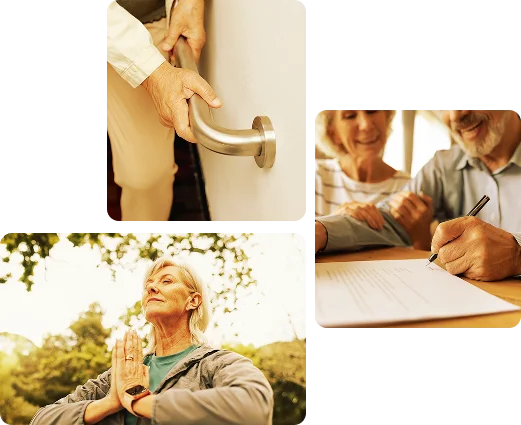
Your Path to Healthy Aging
Senior health and well-being go far beyond just physical health—it’s about emotional balance, mental sharpness, financial stability, and a deep sense of purpose. This guide covers everything seniors and their caregivers need to know to age gracefully and live fully.
Physical Health: The Foundation of Aging Well
Physical health forms the bedrock of a happy and independent senior lifestyle.
With age, it’s vital to stay proactive with medical care and lifestyle habits that support vitality.
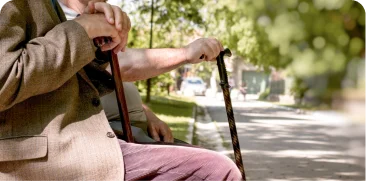
Routine Medical Checkups
Regular doctor visits help detect conditions early and prevent bigger health issues. Common annual screenings include:
- Blood pressure and cholesterol checks
- Colonoscopies and mammograms
- Vision and hearing exams
- Diabetes screening
- Bone density tests
Don’t wait until symptoms appear. Preventive care saves lives and boosts longevity.

Nutrition for Seniors
What we eat fuels how we feel. Aging bodies require:
- Calcium and vitamin D to strengthen bones
- Fiber to aid digestion
- Lean protein to maintain muscle mass
- Hydration (even if you’re not thirsty)
Avoid excess sodium and processed foods, and aim for a colorful plate—fruits, vegetables, and whole grains are your friends.

Exercise for Longevity
Exercise helps maintain balance, flexibility, healthy weight, and independence. Ideal activities include:
- Walking and swimming
- Yoga and tai chi
- Resistance band training
- Stretching and gardening
Even light movement can have enormous benefits for reducing fall risk and maintaining mobility.
Staying Sharp and Emotionally Balanced
Mental health is as important as physical health. Cognitive changes are common with age, but they don’t have to lead to decline
1.
Cognitive Simulation
Keep your mind active by:
- Solving puzzles or crosswords
- Reading daily
- Learning a new skill or language
- Playing strategy games
Engaging your brain helps reduce the risk of dementia and keeps life interesting.
2.
Emotional Wellness
Seniors often face grief, loneliness, or depression—especially after losing loved ones or transitioning out of work. Signs to look for include:
- Withdrawal from social activities
- Changes in sleep or appetite
- Persistent sadness or anxiety
Talk therapy, support groups, and hobbies can all help. It’s okay to ask for help—mental wellness is a key part of overall health.
3.
Social Connection
Isolation is one of the greatest threats to senior well-being. Combat it by:
- Calling or video chatting with family
- Attending local meetups or senior centers
- Volunteering or mentoring youth
Friendships and meaningful interactions keep us emotionally grounded and resilient.
Home Safety & Independence
Your home environment should support your independence, not threaten it. Small changes can help you stay safe and self-reliant

Fall Prevention
Install grab bars, use non-slip mats, ensure proper lighting, keep floors clutter-free, and use mobility aids as needed

Emergency Preparedness
Maintain emergency contacts, medical alert systems, accessible medications, and working smoke detectors

Peace of Mind
Feeling safe at home builds confidence and reduces stress for both seniors and their families
Key Legal Documents for Seniors
Legal preparation gives you control over your future care and estate. It also prevents conflict and confusion among loved ones
|
Document |
Purpose |
Importance |
|---|---|---|
| Living Will | Specifies who receives your property | Essential for state distribution |
| Living Will / Advance Directive | Details preferences for medical care | Ensures your wishes are followed |
| Power of Attorney | Appoints someone for legal/financial decisions | Critical for incapacity planning |
| Healthcare Proxy | Appoints someone for medical decisions | Vital for medical emergencies |
| HIPAA Authorization | Allows doctors to share medical information | Enables family involvement in care |
Key Legal Documents for Seniors
You’re never alone in this journey. Numerous organizations and programs exist to assist with senior care, health, finances, and legal matters
1.
Government Programs
- Medicare.gov – Health insurance details and help
- Eldercare Locator – Connects you with local aging services
- Social Security Administration – Retirement and disability benefits
2.
Non-Profit & Community Support
- Meals on Wheels – Delivers nutritious meals to homebound seniors
- SilverSneakers – Free fitness programs through Medicare plans
- AARP – Advocacy, resources, and discounts
3.
For Caregivers
- Caregiver Action Network – Support and education for family caregivers
- Alzheimer’s Association – Resources for dementia care
- Local respite services – Give caregivers a needed break
Living Fully at Every Age
Senior health and well-being isn’t a single milestone—it’s a lifelong journey that evolves with each season. By caring for your body, protecting your mind, planning ahead financially, and building strong social connections, you can enjoy this chapter of life with freedom and grace.
Whether you’re a senior looking to make the most of your days, or a caregiver seeking to provide the best support, remember: aging well is possible, and you don’t have to do it alone.
Frequently
Asked Questions
Why is preventive care important?
Early detection through screenings helps prevent serious complications and extends life expectancy.
How much exercise do seniors need?
At least 150 minutes of moderate activity per week, plus strength training twice weekly, is recommended.
What is final expense insurance?
A small whole-life policy (usually under $25,000) that pays for funeral and other end-of-life costs.
Get In Touch
Our Home Office staff is always here to assist you!
 Mon – Fri:
 8:30 am – 5:00 pm

OR Toll Free +1 (877) 777-8808
Or you can fill out the form here, and a representative will follow up shortly. We look forward to serving you.